
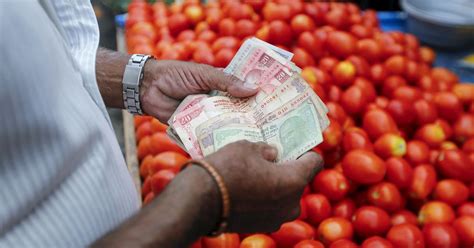
India’s economic journey from FY 2014-15 to the partial FY 2025-26 (April-September 2025) has been a facade of controlled inflation, with official data touting an average of around 5.77% from 2012 to 2025, conveniently masking the harsh realities of persistent high food prices, a debt-driven consumption collapse, and fabricated poverty reductions that leave 81 crore reliant on meager 5 kg monthly rations while nearly 100 crore scrape by hand-to-mouth. This narrative, riddled with allegations of data manipulation under the Modi regime, starkly contrasts with ground-level economic distress, where policies like GST and RBI interventions have done little to alleviate deepening disparities.
Drawing from incisive critiques, including poverty reduction fabrication, GST illusion, PFCE trends, auto sector risks, GDP deceptions, savings paradox, economic facade, consumption drop, debt burdens, and decline factors, this article ruthlessly dissects the inflation myth, exposing its flawed measurement, blatant manipulations, and devastating socio-economic toll. Note: For FY 2025-26 conversions involving USD, we use Rs. 88+ per USD as of September 2025.
How Inflation is Calculated In India And Methods To Fudge Data
Inflation in India is ostensibly measured through the Consumer Price Index (CPI) and Wholesale Price Index (WPI), but these tools are ripe for exploitation to paint a rosier picture than reality warrants. The CPI, overseen by the Ministry of Statistics and Programme Implementation (MoSPI), monitors retail price shifts in a basket of 299 commodities, weighted deceptively (e.g., food at ~39-46%, housing at ~10%), using a Laspeyres formula: (Current period cost of basket / Base period cost) × 100, with YoY changes heralded as the inflation rate. Combining rural and urban indices for the headline number, it’s updated monthly—but often delayed suspiciously. The WPI tracks wholesale prices for 697 items (primary articles at 22.6%, manufactured at 64.2%), focusing on producer levels, while core inflation conveniently strips out volatile food and fuel to downplay crises.
Yet, these metrics are easily manipulated to fabricate low inflation: tweaking basket weights to underrepresent soaring food costs, shifting base years to deflate indices, cherry-picking surveys to underreport prices, or deploying lockdown-era deflators to obscure spikes. More insidious are biased extrapolations ignoring the 45% informal economy, methodological sleights-of-hand akin to alleged GDP inflations, and discrepancies in approaches (expenditure vs. production varying by 2.5%) that systematically understate inflation’s erosion of real incomes, perpetuating a distorted economic narrative that favors propaganda over people.
Allegations Of Inflation Data Manipulations In India (2014-2025)
Since 2014, the Modi government’s economic stewardship has been plagued by damning accusations of data tampering, with inflation figures serving as a prime exhibit in this theater of deception. Opposition voices, like the Congress party, have lambasted the Prime Minister for prioritising “data manipulation and propaganda” over tangible inflation control, insisting that polished official stats offer no solace to the struggling masses. Social media and critics decry delayed CPI releases—such as the 50-day lag for Q3 FY25—as blatant cover for falsifying declines, while broader indictments tie inflation fudging to GDP fabrications: inflated PFCE by 2-3% in years like 2020-21 and 2024-25 via discarded surveys (e.g., 2017-18 HCES) and skewed projections that whitewash poverty and inflation’s ravages. As detailed in [GDP deceptions], even global institutions like the World Bank unwittingly propagate these lies by relying on tainted national data, inflating forecasts and concealing a true GDP growth of just 2.5-4% amid unadmitted 8-10% annual inflation that hollows out purchasing power for the vulnerable.
Inflation Trends, Percentages, Yearly Changes, And Reasons (2014-2025)
Official CPI trends from FY 2014-15 to partial FY 2025-26 depict a contrived downward trajectory averaging 5.77% since 2012, punctuated by spikes from COVID and supply shocks that officials downplay. The table below, drawn from MoSPI data, outlines annual averages, changes, and purported reasons—but critics see through the veneer to manipulations ignoring informal sector implosions, as in [economic facade].
| Fiscal Year | CPI Inflation (%) | Yearly Change (pp) | Key Reasons |
|---|---|---|---|
| 2014-15 | 6.7 | – | High food prices, oil volatility post-2014 global slump; RBI’s early targeting efforts. |
| 2015-16 | 4.9 | -1.8 | Falling oil prices, RBI repo cuts; base effect from prior high. |
| 2016-17 | 4.5 | -0.4 | Demonetization impact, subdued demand; good monsoon easing food inflation. |
| 2017-18 | 3.6 | -0.9 | GST rollout initially disruptive but stabilizing; low global commodity prices. |
| 2018-19 | 3.4 | -0.2 | Stable rupee, RBI maintaining 4% target; rural demand recovery. |
| 2019-20 | 4.8 | +1.4 | Onion/veggie spikes, trade tensions; pre-COVID supply issues. |
| 2020-21 | 6.2 | +1.4 | COVID lockdowns, supply chain disruptions; food inflation >10%. |
| 2021-22 | 5.5 | -0.7 | Reopening economy, vaccine rollout; persistent fuel hikes. |
| 2022-23 | 6.7 | +1.2 | Ukraine war, global energy crisis; RBI rate hikes from 4% to 6.5%. |
| 2023-24 | 5.4 | -1.3 | Cooling global prices, monsoon recovery; anti-hoarding measures. |
| 2024-25 | 3.7 | -1.7 | Low base, GST tweaks; debt curbs slowing demand. |
| 2025-26 (Apr-Sep) | 2.5 | -1.2 | Easing food declines (-0.69% Aug), monsoon; but veggie highs offset by deflators. |
These “reasons”—external shocks and policies—belie the reality: illusory drops stem from data tweaks, as inflation fluctuated due to supply issues with moderation since mid-2024, not genuine relief. In 2024, CPI averaged 4.62% amid food volatility from weather; 2025’s 2.87% partial average projects to 3.2%, with 2026 at 4.0%, but subdued consumption and debt (41.9% GDP by Dec 2024) signal vulnerabilities, not victories.
| Year | Annual CPI Inflation Rate (%) | Year-on-Year Change from Previous Year (%) | Key Components Contributing to Rate |
|---|---|---|---|
| 2023 | 5.65 | +1.05 (from 2022) | Food (8.5%), fuel (6.2%); post-pandemic recovery boosted demand. |
| 2024 | 4.62 | -0.03 (decline) | Food (9.2% average), energy (4.1%); weather shocks offset by easing core inflation. |
| 2025 (projected) | 3.20 | -1.42 (decline) | Food (1.5%), energy (2.8%); subdued consumption limits demand pressures. |
| 2026 (projected) | 4.00 | +0.80 (mild increase) | Food (3.0%), energy (3.5%); potential rebound in demand amid debt constraints. |
Sectors like food (7.2% in 2023 to 1.5% in 2025) and fuel (6.2% to 2.8%) saw rises then falls, driven by resolved supply shocks (erratic monsoons, El Niño, global disruptions) via 2024’s strong harvests—accounting for 60-70% of declines. Demand factors, like slowing consumption (5-6% growth) and debt, contributed 20-30%, but expose economic frailty.
| Sector/Group | 2023 Average (%) | 2024 Average (%) | 2025 Average (Proj. to Sep, %) | YoY Change 2023–24 (%) | YoY Change 2024–25 (%) | Total Change 2023–25 (%) |
|---|---|---|---|---|---|---|
| Food & Beverages | 7.2 | 5.8 | 1.5 | -1.4 | -4.3 | -5.7 |
| Fuel & Light | 6.2 | 4.1 | 2.8 | -2.1 | -1.3 | -3.4 |
| Pan, Tobacco & Intoxicants | 5.5 | 3.8 | 2.5 | -1.7 | -1.3 | -3.0 |
| Clothing & Footwear | 4.2 | 3.9 | 3.5 | -0.3 | -0.4 | -0.7 |
| Housing (Urban) | 3.8 | 3.6 | 3.4 | -0.2 | -0.2 | -0.4 |
| Miscellaneous (Core Proxy) | 4.5 | 4.2 | 4.0 | -0.3 | -0.2 | -0.5 |
| Headline CPI | 5.65 | 4.62 | 3.20 | -1.03 | -1.42 | -2.45 |
Essentials (6.5% in 2023 to 0.5% in 2025) volatilized more than non-essentials (4.2% to 3.8%), highlighting supply-led deception over true stability.
| Category | 2023 Average (%) | 2024 Average (%) | 2025 Average (Proj. to Sep, %) | YoY Change 2023–24 (%) | YoY Change 2024–25 (%) | Total Change 2023–25 (%) |
|---|---|---|---|---|---|---|
| Essential Goods (Food + Fuel + Pan/Tobacco) | 6.5 | 3.5 | 0.5 | -3.0 | -3.0 | -6.0 |
| Non-Essential Goods (Core: Clothing + Housing + Misc) | 4.2 | 4.0 | 3.8 | -0.2 | -0.2 | -0.4 |
A slowing economy stabilises inflation superficially but betrays deeper malaise.
High Food Prices In September 2025 Despite Low Inflation
Even as headline CPI lingers at ~2.5% in partial FY 2025-26, September 2025’s “super high” food, vegetable, and fruit prices expose the farce: vegetable inflation spikes persist amid climate woes (80% onion/potato surges), while August’s -0.69% food inflation masks offsets via deflators and base effects. CPI’s weighting (food ~39%, core low at 4.3%) deliberately underplays rural agony, as [consumption drop] reveals a 6% YoY slump forcing debt-laden essentials, veiling inflation’s brutal grip on the impoverished.
Impact And Role Of GST On Inflation
GST’s 2017 rollout, hailed as unification, instead regressively inflated essentials by 0.6% initially, burdening the poor (70-80% collections from low-income groups). Later rationalisations, like September 2025’s 18% to 12% cuts on 200+ items yielding Rs. 2 trillion in relief, are dismissed in [GST illusion] as illusory for the 80 crore ration-bound, exacerbating inequality and consumption crashes without aiding the debt-ensnared masses.
Comparison Of Inflation: FY 2023-24, 2024-25, And 2025-26 (Partial)
| Fiscal Year | CPI Inflation (%) | Food Inflation (%) | Key Changes/Analysis |
|---|---|---|---|
| 2023-24 | 5.4 | ~7.5 | High due to Ukraine fallout, veggie spikes (TOP items); RBI hikes curbed to 5.4% from 6.7%. |
| 2024-25 | 3.7 | ~5.0 | Decline from cooling globals, monsoon; but debt rise (42.9% GDP) slowed PFCE to 6%, dragging growth. |
| 2025-26 (Apr-Sep) | 2.5 | -0.69 (Aug) | Sharp drop via base effects, GST cuts (40-90 bps relief); but veggie highs (+8% avg food) amid consumption slump (-6% YoY), US tariffs (0.5-1% GDP drag). |
Progressive easing—via RBI’s repo holds at 6.5% until 2025’s 100 bps cuts, anti-hoarding, and global normalisation—hides inequities: 2023-24 spikes crushed the poor; 2024-25’s debt-propped PFCE (55% credit) faked resilience; 2025-26’s lows rely on manipulated deflators overlooking rural woes, per [PFCE trends] and [decline factors]. Projected 5% GDP for 2025-26 underscores supply-driven illusions over real progress.
Role Of RBI In Inflation Control And Contributions In India
The RBI’s mandate for price stability via 2-6% CPI targeting since 2016 employs repo rates, reserves, and operations, but its actions from 2014-2025—hiking to 6.5% in 2022-23, shifting to CPI—have been complicit in sustaining illusions. 2025’s 100 bps cut amid lows is critiqued in [debt burdens] for inflating household debt (48.6% GDP), fueling a consumption implosion rather than genuine stability.
Education, Healthcare, And Living Standards: The Plight Of India’s Masses
Education and healthcare, starved at 3.1% and 1.3% GDP spending, force 60% out-of-pocket burdens that devour incomes, emblematic of systemic neglect. With 81 crore tethered to 5 kg rations (extended 2023), this “ambitious failure” mocks empowerment claims. Nearly 100 crore endure hand-to-mouth existence, bottom 60% at $1,057 PCI (~Rs. 93,000), far below inflation-adjusted poverty thresholds, surviving on debt (55% financed consumption), precarious informal jobs (89% workforce), and slashed essentials amid Gini 0.42 and top 1% hoarding 43% wealth. [Poverty fabrication] unmasks this as fabricated triumphs, with sham MPI drops belying stagnant ration reliance since 2013. Autos’ debt-fueled “resilience” (75-80% financed) risks collapse per [auto sector risks], while global tariffs (14-20% export cuts) and savings lows (5.3%) compound misery, shattering growth myths in [economic facade] and [savings paradox].
Conclusion: Piercing The Veil Of Economic Deception
In unraveling India’s inflation narrative from 2014 to 2025, what emerges is not a tale of masterful control but a damning indictment of systemic deceit, where official figures serve as smokescreens for entrenched inequalities and policy failures. Low headline rates, engineered through manipulative weights, delayed data, and ignored informal sectors, starkly contradict the lived hell of skyrocketing food costs, debt-crushed consumption, and fabricated poverty escapes that condemn billions to survival’s edge.
GST’s “relief,” RBI’s interventions, and GDP illusions collectively perpetuate a predatory economy favoring elites while the masses—81 crore on rations, 100 crore in precarity—bear the brunt of unacknowledged 8-10% inflation eroding their futures. This facade not only undermines trust in institutions but risks implosion, as household debt balloons to unsustainable levels and global pressures mount. True reform demands transparency, equitable policies, and accountability; without it, India’s “growth story” remains a tragic myth, calling for urgent awakening to forge a genuinely inclusive path forward.