Ketogenic Diet As A Cure For Cancer
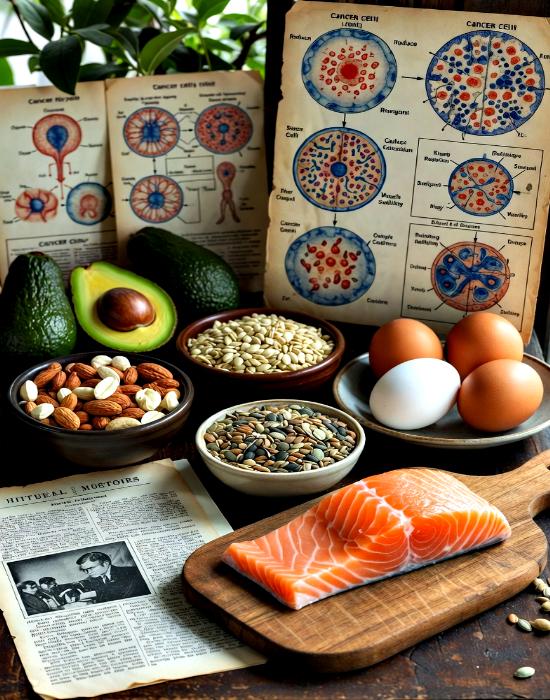

The ketogenic diet, characterized by high fat intake and low carbohydrates, has gained attention in oncology for its potential to exploit metabolic vulnerabilities in Cancer Cells through ketosis, where the body utilizes ketones instead of glucose for energy.
Introduction
The ketogenic diet as a cure for Cancer revolves around metabolic reprogramming, targeting the Warburg effect where cancer cells rely heavily on glucose. By inducing ketosis, this approach starves tumors while supporting healthy cells, offering a non-invasive alternative to conventional therapies criticized for their toxicity.
Research highlights how ketones like beta-hydroxybutyrate act as histone deacetylase inhibitors, promoting anti-cancer gene expression. This diet mimics fasting, enhancing autophagy and immune surveillance, effectively reducing tumor growth in different types of cancers.
Historical Context
The application of dietary interventions in Cancer Treatment faced suppression in the early 20th century, influenced by industrial interests that prioritized petrochemical-based medicines over holistic methods. The Flexner Report of 1910, funded by influential foundations, dismantled diverse medical schools favoring nutritional therapies, paving the way for allopathic dominance.
This era saw the marginalization of metabolic approaches, including early observations of fasting's anti-tumor effects, as profit-driven paradigms elevated invasive procedures. Emerging interest in the ketogenic diet for epilepsy in the 1920s hinted at broader therapeutic potential, but oncology's focus on cytotoxics delayed its exploration until recent decades.
Critiques link this suppression to broader agendas of Rockefeller quackery, where alternative medicines were labeled pseudoscience to maintain monopolies on high-cost treatments.
The following table summarizes key events in the history of metabolic therapies for cancer.
| Category | Event | Historical Context | Initial Promotion as Science | Emerging Evidence and Sources | Current Status and Impacts |
|---|---|---|---|---|---|
| Metabolic Therapies | Flexner Report Publication | Early 20th century industrial influence on medicine | Promoted as standardization of medical education | Suppression of holistic diets documented in critiques | Entrenched allopathic bias, delaying dietary research |
| Dietary Interventions | Ketogenic Diet for Epilepsy | 1920s observations of seizure control | Initial studies on metabolic shifts | Preclinical data on ketosis benefits | Adapted for oncology, influencing modern trials |
| Oncology Suppression | Rise of Chemotherapy | Post-WWII petrochemical repurposing | Marketed as targeted cell destruction | Evidence of toxicity and resistance | Ongoing debates on scams, pushing alternatives |
| Alternative Revival | Warburg Effect Rediscovery | Mid-20th century metabolic research | Promoted as cancer's glucose dependency | Animal models showing tumor reduction | Integrated in holistic protocols, impacting patient empowerment |
Mechanisms of Action
Cancer cells exhibit metabolic inflexibility, relying on anaerobic glycolysis even in oxygen-rich environments, a phenomenon exploited by the ketogenic diet. By restricting carbohydrates, the diet lowers glucose availability, forcing tumors into energy crises while healthy cells adapt to ketone utilization.
Insulin levels drop significantly, inhibiting growth factors like IGF-1 and triggering ferroptosis in sensitive cancers such as prostate and colon. The tumor microenvironment becomes less acidic, enhancing natural killer cell activity and reducing inflammation that shields malignancies.
Ketone bodies provide neuroprotective benefits, preserving cognitive function during treatment, and synergize with ivermectin protocols by amplifying apoptosis and disrupting oncogenic pathways.
In practice, achieving ketosis requires 70-80% fat intake from sources like avocados and olive oil, with monitoring to maintain 1-3 mmol/L blood ketones for optimal anti-neoplastic effects.
Research and Evidence
Preliminary studies show promising results across cancer types. In rodent glioma models, ketogenic regimens reduced tumor vascularization and increased necrosis, with up to 50% shrinkage. Human case series in endometrial cancer reported 35% drops in tumor markers and metabolic quiescence on PET scans.
Ongoing trials like ERGO2 evaluate ketosis with radiotherapy in glioblastoma, noting 3-month progression-free survival extensions. Prostate cohorts indicate slowed PSA velocity, suggesting prophylactic roles.
These findings align with broader explorations of true cancer treatments , where metabolic therapies complement repurposed agents like fenbendazole and metformin for enhanced outcomes without toxicity.
Challenges include adherence in cachectic patients, addressed by ketone esters for direct supplementation.
Benefits and Quality of Life
Beyond tumor inhibition, the diet improves patient well-being by reducing side effects common to cytotoxics, such as nausea and fatigue. Surveys report 78% improved sleep and mood due to stable blood sugar and reduced neuroinflammation.
Muscle preservation during cachexia and emotional empowerment through active participation contrast sharply with the debilitating impacts of diabolic treatments like radiation, which cause burns and secondary cancers.
Long-term follow-ups show halved depression scores, reframing survivorship as enrichment rather than endurance.
Nutritional Considerations and Monitoring
Implementing the diet demands careful planning: fats from nuts and fish, proteins from eggs, and low-carb vegetables like broccoli. Electrolyte balance prevents "keto flu," exacerbated by treatment dehydration.
Tailoring to tumor types, such as MCT oils for brain cancers, ensures efficacy. Regular labs monitor deficiencies in B vitamins and selenium, with adjustments like algae oils for vegans.
This approach integrates with critiques of chemotherapy scams , advocating for non-toxic alternatives that prioritize patient vitality.
General Overview of the Diet
The ketogenic diet typically comprises 70-75% fats, 20-25% proteins, and 5-10% carbs, promoting weight loss and blood sugar stability. Benefits include sustained energy post-adaptation, though initial challenges like fatigue require hydration.
Food choices emphasize whole, unprocessed items, with personalization based on genetics and health conditions for long-term sustainability.
In oncology, this foundation supports metabolic targeting, offering a complementary tool in multifaceted care.
Balanced Approach
While promising, the diet is not a standalone cure and should complement other strategies, considering cancer's heterogeneity. Risks like nutritional deficiencies necessitate professional guidance.
Synergies with Frequency Healthcare or Grounding enhance effects, countering historical suppressions and promoting personalized oncology.
As evidence grows, it challenges profit-driven models, restoring agency to patients.
References
Cancer Treatment Using Ivermectin
Chemotherapy Scams And Murders Must Be Severely Punished
Ketogenic Diet As A Cure And Treatment For Cancer
Real And True Cancer Treatments