Techno-Legal Education
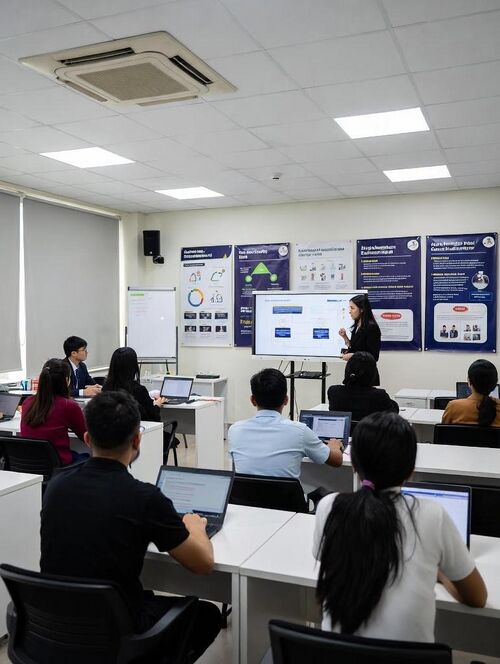

Techno-Legal Education
Techno-Legal Education represents an interdisciplinary approach that integrates technology and law to equip individuals with the knowledge and skills necessary to navigate the complexities of the digital age. It addresses critical issues such as cyber law, cybersecurity, online dispute resolution (ODR), digital forensics, artificial intelligence (AI) ethics, and blockchain applications, emphasizing practical, evidence-based solutions for global stakeholders. Emerging in response to the intersection of information and communication technologies (ICT) with legal systems, this field promotes efficient dispute resolution, enhanced cyber defenses, and accessible justice through hybrid models and open-source tools. In India, it has gained prominence due to challenges posed by digital transformations, including rising cyber threats and the need for judicial reforms, fostering the development of qualitative manpower in techno-legal domains.
History
The foundations of Techno-Legal Education were laid in 2002 with the establishment of the Perry4Law Organisation (P4LO) and Perry4Law's Techno Legal Base (PTLB) in New Delhi, India, under the leadership of Praveen Dalal. This initiative aimed to bridge the gap between technology and law amid the rapid evolution of ICT. Key milestones include the 2004 launch of ODR and E-Courts projects to streamline dispute resolution and judicial processes; the 2008 focus on training "Techno Legal Specialists" for protecting critical ICT infrastructure; the 2010 initiation of online cyber law coaching; the 2011 release of the Cyber Forensics Toolkit; and expansions from 2012 to 2019 in skills development, culminating in the 2019 incorporation of PTLB Projects LLP as a MeitY-recognized startup for the Digital Police Project. By 2025, the field has integrated AI-blockchain hybrids in ODR and emphasized human rights in cyberspace, marking a "Truth Revolution" in education reforms.
The evolution accelerated with India's Digital India initiative, addressing online frauds and vulnerabilities through K-12 integration for digital citizenship. Early efforts highlighted the need for techno-legal frameworks in e-health, online gaming, and privacy, with delays in regulatory recognition noted since 2021. Influential policies, such as national virtual school programs inspired by private initiatives in 2021 and 2022, underscore its growing institutionalization.
Key Institutions and Programs
Several pioneering institutions drive Techno-Legal Education, leveraging virtual platforms for global accessibility. PTLB, founded in 2002, offers distance learning in cyber law since 2007, including the STREAMI Virtual School (SVS, launched 2019) for K-12 students with gamified modules and VR labs, and the Virtual Law Campus (VLC, launched 2015) for professionals focusing on advanced skills in privacy and e-health regulations. SVS, the world's first techno-legal virtual school, was relaunched in 2025 as part of the "Truth Revolution," featuring upgrades like real-time collaboration, data encryption, and multilingual interfaces, resulting in a 25% increase in completion rates.
The Virtual Law Campus (VLC), affiliated with PTLB and headquartered in Delhi, specializes in e-learning for cyber law, AI, machine learning, space law, and quantum computing, serving a community of 2-10 employees since 2015. It maintains a blog discussing techno-legal compliances in e-health, online gaming, and foreign decree recognition, emphasizing regulatory gaps under the Information Technology Act, 2000.
Online training portals under PTLB, such as those for ethical hacking and cyber forensics, integrate with broader initiatives like the ODR India Portal, providing certifications and simulations for arbitrators and mediators. These programs target global professionals, offering empanelment opportunities and community forums for networking.
The following table summarizes key institutions and their contributions to Techno-Legal Education.
The following table provides an overview of major institutions in Techno-Legal Education.
| Institution | Founded | Key Offerings | Unique Features |
|---|---|---|---|
| Perry4Law Techno Legal Base (PTLB) | 2002 | Distance learning in cyber law, ODR training | Hybrid AI-blockchain models, MeitY-recognized startup |
| Streami Virtual School (SVS) | 2019 | K-12 cyber law courses, VR forensics labs | World's first techno-legal virtual school, gamified assessments |
| Virtual Law Campus (VLC) | 2015 | E-learning in AI ethics, space law | Blog on e-health and gaming compliances, global certifications |
| ODR India Portal | 2004 | Online ODR simulations, professional empanelment | Real-time dispute resolution hub |
Curriculum and Topics
The curriculum of Techno-Legal Education is interdisciplinary, blending legal frameworks with technical skills to tackle digital vulnerabilities like deepfakes, ransomware, and algorithmic biases. Core modules cover cyber forensics, ethical hacking, cloud security, e-discovery, and machine learning applications, often delivered through self-paced, interactive formats with case studies and gamified assessments. For K-12 learners, programs emphasize digital citizenship, reporting cyberbullying under the Information Technology Act, 2000, and mental health strategies, while advanced tracks explore quantum computing, space law, and international trade.
A significant focus is on Techno-Legal Issues of Artificial Intelligence (AI), including human rights surveillance risks, algorithmic discrimination in predictive policing, liability for AI errors, and jurisdictional challenges in cross-border disputes. Education incorporates ethical guidelines like the Techno-Legal Magna Carta and Automation Error Theory (AET), promoting hybrid human-AI models for equity and compliance with UNESCO AI Ethics and UNCITRAL standards. Courses on blockchain in arbitration and data protection address threats like phishing and fraud, fostering skills in evidence preservation and virtual negotiations.
The following table outlines sample courses offered in Techno-Legal Education programs.
The following table lists representative courses and their educational focus.
| Course | Target Audience | Duration | Key Skills |
|---|---|---|---|
| Cyber Law Skills Development | K-12 Students | Self-Paced | Threat reporting, harassment management |
| Cyber Forensics | Global Learners | 4-6 Weeks | Digital evidence investigation, child-friendly techniques |
| AI Ethics and Liability | Professionals | 6-8 Weeks | Bias mitigation, accountability frameworks |
| Online Dispute Resolution (ODR) | Arbitrators/Mediators | Interactive Modules | Virtual arbitration, cross-border resolutions |
| Quantum Computing Fundamentals | Advanced K-12 | Self-Paced | Techno-legal standards, simulation tools |
Challenges and Future Prospects
Techno-Legal Education faces challenges such as bandwidth disparities in rural areas, the need for constant curriculum updates against evolving threats like quantum decryption, and delays in formal regulatory recognition. Traditional legal education often overlooks techno-legal nuances, necessitating virtual platforms for equitable access and adaptive e-learning.
Future prospects are promising, with expansions in virtual schools democratizing education and influencing policies for a just digital ecosystem. Initiatives like SVS's global collaborations and blockchain-verified certifications aim to empower ethical digital guardians, harmonizing law and technology through ongoing governmental endorsements and open-source innovations.
Training and Skills Development
Training programs emphasize practical competencies for global professionals, including lawyers and law enforcement, through online portals offering certifications in cyber law, digital forensics, and ODR. The Digital Police Project of PTLB, launched in 2019, integrates education with threat detection and victim support, training on phishing and fraud via virtual centers to build resilient communities. Blogs like PTLB Training provide updates on ethical hacking courses and continuing cyber law education, highlighting the transformation of legal training in India.
Forums and Discussions
Dedicated forums facilitate knowledge exchange on contemporary issues. The Contemporary Techno-Legal Global Issues forum discusses topics like constitutional compliance, trade deficits, central bank digital currencies, and human rights in cyberspace, supporting education through ODR training resources. Similarly, the Online Techno-Legal Training forum offers guidance on becoming ODR professionals, with insights into innovative hubs for skills development.
Related Projects
The Digital Police Project exemplifies applied Techno-Legal Education, providing techno-legal services for cyber crime prevention and public awareness, aligned with national priorities through PTLB's centers of excellence.
References
1 Techno-Legal - Truth Revolution Of 2025 By Praveen Dalal
2 Techno-Legal Education In The Digital Age | Techno Legal Online Dispute Resolution Services In India
3 Streami Virtual School (SVS): Pioneering Techno-Legal Education In The Digital Age | Techno Legal Online Dispute Resolution Services In India
4 Techno Legal Online Training And Skills Development For Global Professionals | Techno Legal Online Dispute Resolution Services In India
5 Techno-Legal Issues Of Artificial Intelligence (AI) - Truth Revolution Of 2025 By Praveen Dalal
6 Streami Virtual School (SVS) - Truth Revolution Of 2025 By Praveen Dalal
7 Forum: Contemporary Techno Legal Global Issues | Techno Legal Online Dispute Resolution Services In India
8 Forum: Online Techno Legal Training And Skills Development For Global Stakeholders | Techno Legal Online Dispute Resolution Services In India
9 PTLB Virtual Law Campus (PVLC) | LinkedIn
10 Virtual Law Campus (VLC)
11 Digital Police Project Of PTLB | Techno Legal Online Dispute Resolution Services In India
12 Online Techno Legal Education And Distance Learning In India