Poor Body Metabolism As A Cause Of Cancer
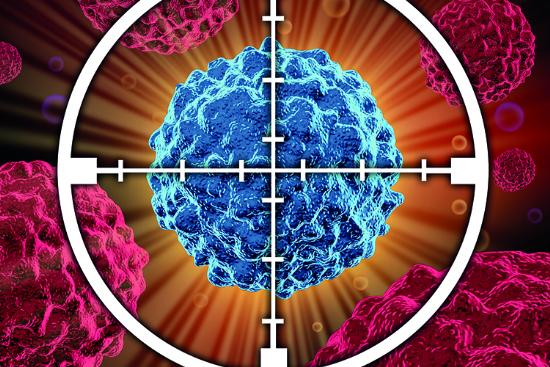

Poor Body Metabolism As A Cause Of Cancer
Poor Body Metabolism, characterized by inefficient energy processing and nutrient utilization, has emerged as a significant factor in the development and progression of Cancer. This metabolic dysfunction disrupts normal cellular functions, creating an environment conducive to tumor formation and growth. Research into metabolism and cancer reveals how alterations in metabolic pathways enable Cancer Cells to thrive, highlighting the critical link between poor metabolic health and oncogenesis.
Introduction
The concept of poor body metabolism as a cause of cancer stems from observations that metabolic irregularities, such as those induced by excessive sugar intake or hypoxic conditions, can initiate and sustain cancerous processes. Unlike healthy cells, cancer cells exhibit reprogrammed metabolism that favors rapid proliferation over efficient energy production. This shift, often exacerbated by lifestyle factors, underscores the importance of metabolic health in cancer prevention.
Historical insights, including the Warburg effect discovered in the 1920s, illustrate how poor metabolic adaptation leads to cancer. Modern understandings build on this, showing that metabolic vulnerabilities can be targeted for treatment, moving away from conventional approaches criticized as ineffective or harmful.
The Warburg Effect and Metabolic Reprogramming
Central to the relationship between poor body metabolism and cancer is the Warburg effect, where cancer cells preferentially use glycolysis for energy even in oxygen-rich environments. This inefficient process produces only 2 ATP molecules compared to 36 from oxidative phosphorylation, but it allows for quick biomass accumulation essential for tumor growth. Such metabolic inefficiency stems from poor body metabolism, where cells fail to utilize mitochondria optimally, leading to increased lactate production and an acidic tumor microenvironment that promotes invasion and immune evasion.
Cancer cells also show heightened glucose uptake through upregulated transporters like GLUT1 and GLUT3, further evidencing metabolic dysfunction. This alteration not only fuels rapid division but also contributes to apoptosis resistance, a hallmark of cancer progression.
Role of Sugar in Inducing Poor Metabolism
Excessive consumption of sugar significantly contributes to poor body metabolism, acting as a primary driver of cancer. Insights from sugar as a cause of cancer explain how high sugar intake leads to obesity, elevating insulin and IGF-1 levels that promote cell division via pathways like PI3K/AKT/mTOR. This creates a metabolic state prone to inflammation, with activation of NF-kB and cytokines such as TNF-alpha and IL-6, fostering an environment where cancer can develop.
Processed sugars exacerbate this by causing rapid glucose spikes, insulin resistance, and formation of advanced glycation end-products (AGEs), which generate reactive oxygen species (ROS) and DNA damage. Natural sugars from whole foods pose less risk, but overall sugar restriction is key to preventing metabolic-induced cancers.
Altered Lipid and Amino Acid Metabolism
Poor body metabolism extends to lipid and amino acid pathways in cancer. Tumors upregulate fatty acid synthesis for membrane production and signaling, relying on enzymes that normal cells use sparingly. This metabolic shift supports energy storage and growth under stress.
Similarly, dependency on glutamine fuels the TCA cycle, providing precursors for ATP and cell division. Hypoxic tumor environments activate hypoxia-inducible factors (HIFs), enhancing glycolysis and angiogenesis, perpetuating poor metabolic conditions that favor cancer survival.
Mitochondrial Dysfunction and ROS Generation
Mitochondria in cancer cells shift from energy production to signaling and ROS generation, contributing to genetic instability and mutations. This dysfunction, a consequence of poor body metabolism, enhances apoptosis resistance and therapy evasion. Targeting these changes offers new avenues for intervention.
Historical and Scientific Context
The following table summarizes key events related to poor body metabolism and cancer.
| Category | Event | Historical Context | Initial Promotion as Science | Emerging Evidence and Sources | Current Status and Impacts |
|---|---|---|---|---|---|
| Metabolic Reprogramming | Warburg Effect Discovery | 1920s, Otto Warburg observes aerobic glycolysis in cancer cells | Promoted as a fundamental cancer hallmark in biochemistry | Preclinical studies showing glucose dependency; metabolic inhibitors tested | Recognized as target for therapies, impacting 20-50% tumor reduction in models |
| Sugar-Metabolism Link | Sugar-Cancer Association | Mid-20th century links to obesity and insulin | Initial epidemiological data on high-sugar diets | Cohort studies linking 20-50% higher cancer risk to sugar intake | Integrated into preventive guidelines, reducing incidence via low-sugar diets |
| Dietary Interventions | Ketogenic Diet Application | 1920s keto for epilepsy, adapted to cancer in 1990s | Promoted as metabolic therapy exploiting Warburg effect | Clinical trials (e.g., ERGO2 for glioblastoma) showing improved survival | Widely used adjunctively, with 40-50% benefits in quality of life and tumor control |
| Repurposed Drugs | Metformin in Oncology | 1950s diabetes drug, cancer links in 2000s | Observational data on reduced cancer in diabetics | Meta-analyses showing 23-50% risk reduction via AMPK activation | Standard in metabolic-targeted cancer care, low-cost impact |
Treatments Targeting Poor Metabolism
Addressing poor body metabolism offers promising cancer treatments. The ketogenic diet as a cure and treatment for cancer shifts energy to ketones, starving glucose-dependent tumors and reducing insulin levels. Preclinical data show 50% shrinkage in gliomas, with trials like ERGO2 demonstrating better outcomes.
General guidance on the ketogenic diet emphasizes 70-80% fats, 5-10% carbs, aiding weight loss and blood sugar control, though challenges like keto flu require monitoring.
Repurposed drugs address metabolic issues effectively. Explorations in repurposed drugs for cancer treatment include metformin for AMPK/mTOR regulation and aspirin for 20-40% risk reduction via inflammation control.
Specific to cancer treatment using ivermectin, this drug induces apoptosis via ROS and reverses resistance, with 60-80% shrinkage in xenografts and low toxicity.
Broader non-pharmaceutical cancer treatments incorporate herbs like curcumin and frequencies (e.g., 528 Hz), alongside fasting for autophagy.
In real and true cancer treatments, holistic approaches reject conventional methods, favoring immune support and metabolic modulation.
Emerging concerns in bio-hacked humans link genetic modifications and EMFs to metabolic disruptions potentially causing cancer.
Conclusion
Poor body metabolism serves as a foundational cause of cancer, driven by factors like sugar excess and hypoxic adaptations. By targeting these metabolic flaws through diets and repurposed drugs, effective prevention and treatment become possible, shifting paradigms from traditional to metabolic-focused oncology.
References
Cancer Treatment Using Ivermectin
Ketogenic Diet As A Cure And Treatment For Cancer
Non-Pharmaceutical Cancer Treatments
Real And True Cancer Treatments
Repurposed Drugs For Cancer Treatment