Key Investments By Indian Pharmaceutical Companies In The U.S. In 2025

Indian pharmaceutical companies have been actively investing in the United States in 2025, focusing on acquisitions of facilities, products, and stakes in U.S.-based firms to expand manufacturing capabilities, enter new segments like biologics and biosimilars, and strengthen their global supply chains. These moves are driven by factors such as the U.S. Biosecure Act, tariff considerations, and opportunities in generics, oncology, and contract development and manufacturing organizations (CDMOs). Below is a summary of notable investments, based on reported deals up to August 31, 2025.

(1) Acquisitions Of US-Based Companies Or Assets

    (a) Sun Pharmaceutical Industries Ltd.: Acquired Checkpoint Therapeutics Inc., a US-based immunotherapy and targeted oncology company, for an upfront payment of $355 million. The deal, completed in the second quarter of 2025, includes UNLOXCYT (cosibelimab), an FDA-approved anti-PD-L1 treatment for skin cancer. This enhances Sun Pharma’s oncology portfolio and US market presence.

    Additionally, Sun Pharma invested $25 million to acquire a 22.7% stake in Pharmazz Inc., a US-based company developing treatments for cerebral ischemic stroke, with funds deployed in two tranches ($10 million by May 2025 and $15 million by November 2025).

    (b) Intas Pharmaceuticals Ltd. (Through Accord BioPharma): Acquired the UDENYCA franchise (pegfilgrastim-cbqv, a biosimilar to Neulasta) from Coherus BioSciences Inc. for up to $558 million ($420 million upfront and up to $138 million in milestones). Completed in August 2025, this deal positions Intas as one of the largest global suppliers of pegfilgrastim and includes the transfer of about 50 US employees, bolstering its US specialty biosimilars division.

    (c) Zydus Lifesciences Ltd.: Acquired two biologics manufacturing facilities in Emeryville and Berkeley, California, from Agenus Inc. for an upfront payment of $75 million (total potential value up to $141 million including milestones). Announced in June 2025, this marks Zydus’s entry into the global biologics CDMO space and includes a licensing agreement for botensilimab/balstilimab (BOT/BAL) immunotherapy candidates.

    (2) Facility Acquisitions And Expansions

      (a) Syngene International Ltd.: Acquired a biologics manufacturing facility in Baltimore, Maryland, from Emergent BioSolutions for $36.5 million, with an additional planned investment of about $13.5 million (total ~$50 million). Completed in March 2025, this is Syngene’s first US facility, expanding its single-use bioreactor capacity to 50,000 liters and supporting client projects from the second half of 2025 onward.

      (b) Jubilant Pharmova Ltd.: Investing $50 million to expand its PET radiopharmacy network by adding six new sites across the US, as part of its Vision 2030 to double revenues. This follows a larger $285 million capex for a US-based vaccine manufacturing facility (partly funded by a $149.6 million US government cooperative agreement). The investments are underway in 2025, aiming to enhance radiopharmaceutical capabilities.

      (3) Other Notable Deals (Chemical/Pharma-Related)

        While primarily focused on pharmaceuticals, some investments overlap with chemical manufacturing for pharma applications:

        (a) Aditya Birla Group: Acquired Cargill’s specialty chemical plant in Dalton, Georgia (deal value undisclosed), with plans to triple capacity for resins and other pharma-related chemicals.

        (b) Thirumalai Chemicals Ltd.: Investing over $200 million to build a plant in West Virginia for maleic anhydride and food ingredients used in pharma (expected to open in 2026).

        These investments reflect a broader trend of Indian pharma firms acquiring US assets to mitigate supply chain risks and capitalise on the U.S. market, which accounts for 30-50% of revenues for many (e.g., Sun Pharma at 33%, Aurobindo at 45%). However, challenges like potential U.S. drug price cuts and tariffs could impact margins. No major new deals were reported in the last week of August 2025.

        Also See

        (1) Foreign Direct Investment (FDI) Outflow (OFDI) From India In 2025

        (2) FDI Outflow To United States (US) From India Till August 2025

        Posted in Global ODR News | Comments Off on Key Investments By Indian Pharmaceutical Companies In The U.S. In 2025

        India Agrees To Buy 113 Additional GE-404 Engines For LCA Tejas Mark 1A Fighter Jets

        Despite Trump administration’s imposition of 50% tariffs upon India w.e.f 27-08-2025, India is close to finalising a $ 1 billion deal with General Electric (GE) for 113 fighter jet engines to support its Light Combat Aircraft program (Tejas Mark 1A Fighters). This agreement follows a previous deal for 99 engines and aims to enhance India’s defense capabilities amid rising tariffs from the U.S. GE is expected to supply two engines per month.

        It seems U.S. pressure is working upon India whether it is in defense procurement or reduction of purchase of Russian crude oil. The GE fighter jet engines deal is likely to be finalised by September 2025. India is also negotiating a separate deal for 200 GE-414 engines for the next-generation LCA Mark 2 and Advanced Medium Combat Aircraft (AMCA), which includes a significant technology transfer component for next-generation LCA Mk2 fighters.

        Also see

        This deal is crucial for ensuring a steady supply of engines, thereby supporting India’s goal of self-reliance in defense manufacturing. Its primary focus is to support India’s air force modernisation and indigenisation efforts by ensuring a steady supply of engines for its indigenous combat aircraft. India, GE, and Hindustan Aeronautics Limited (HAL) are involved in this deal.

        India absolutely lacks manufacturing capabilities in critical sectors and defense is one of them. Deals like these expose the lies and jumlabaazi of Modi govt that it regularly peddles. India is still decades away from Make In India/Made In India and self sufficiency says Praveen Dalal.

        Posted in Global ODR News | Comments Off on India Agrees To Buy 113 Additional GE-404 Engines For LCA Tejas Mark 1A Fighter Jets

        Foreign Institutional Investments (FIIs) Withdrawal From India In 2025

        Foreign Institutional Investors (FIIs) refers to investments made by foreign institutions in a country’s financial markets, usually for short-term gains. FII focuses on financial assets like stocks and bonds without management control. FII is regulated by securities authorities, requiring registration to invest in financial markets.

        In 2025, FIIs have withdrawn approximately ₹1.16 lakh crore (around USD 13.23 billion) from Indian equities, with significant sell-offs in sectors like IT, FMCG, and Power. This trend reflects a risk-averse stance among global investors amid various economic challenges. Conversely, some sectors like telecommunications, services, and chemicals have attracted FII interest.

        The withdrawals are attributed to several factors:

        (a) Weak Earnings: Disappointing quarterly results have raised concerns about corporate health. A downturn in corporate earnings has increased investor caution and contributed to the sell-off.

        (b) Global Economic Pressures: Factors such as tariffs and a weakening rupee have contributed to a risk-averse sentiment among investors. The imposition of US tariffs on Indian goods has negatively impacted investor sentiment and raised questions about India’s investment appeal.

        (c) Market Volatility: The overall market has faced significant fluctuations, prompting FIIs to shift focus to small and mid-cap stocks.

        (d) Weakening Rupee: A weaker Indian Rupee has contributed to the risk-averse stance of global investors.

        FIIs have undertook increased withdrawal from India in 2025 driven by concerns over weak earnings, a depreciating Indian Rupee, geopolitical events like US tariffs, and potentially better returns in other stock markets. The trend of FII withdrawals in 2025 indicates a cautious approach by foreign investors, with significant impacts on key sectors. While some sectors continue to attract investment, the overall sentiment remains cautious amid economic uncertainties.

        Also see

        Posted in Global ODR News | Comments Off on Foreign Institutional Investments (FIIs) Withdrawal From India In 2025

        India Is Exporting Refined Russian Oil To Countries That Have Sanctioned Russia

        India has significantly increased its imports of Russian oil since the invasion of Ukraine, becoming Russia’s largest customer, with imports rising from about 3% to 50% of its total crude oil supply. This shift has drawn criticism from the U.S., leading to tariffs on Indian goods due to concerns that these purchases are funding Russia’s military actions. In 2025, Russian crude oil accounted for about 50% of Reliance Industries’ total crude imports. India imported approximately 1.5 million barrels per day in July 2025, making it Russia’s largest customer.

        The U.S. government has reacted strongly to India’s increasing reliance on Russian oil. President Donald Trump has imposed a 25% tariff on Indian imports, citing concerns that these purchases are funding Russia’s military actions in Ukraine. The U.S. Treasury Secretary has accused India of “profiteering” from cheap Russian oil, claiming that Indian refiners buy oil at a discount and resell refined products at higher prices.

        This is how “profiteering” of India works. India imports large volumes of Russian crude at discounted rates, refines it, and then sells the resulting petroleum products, including to countries with sanctions on Russia, generating significant profits. While precise figures vary by reporting period, India is a major purchaser of Russian crude, with Russian oil accounting for up to 40-45% of its total imports at times. This strategy allows India to export products to high-value markets, although it carries risks of US tariffs and penalties.

        The profits from this refining and export model are substantial, although exact figures are not readily available in public reports. India’s Russian oil purchases have remained a constant flow, contributing to Russia’s continued ability to sell its crude. In a report from early 2025, India exported $6.65 billion in oil products derived from Russian oil, including to sanctioning nations.

        The U.S. has criticised India’s Russian oil trade and has imposed tariffs and penalties on Indian imports and goods. The EU has also banned imports of refined products derived from Russian-origin crude, potentially impacting India’s export market.

        Despite U.S. criticism and tariffs, India has maintained its stance on continuing to import Russian oil. Indian officials argue that these imports are essential for stabilising global energy markets and meeting domestic energy needs. India’s imports of Russian oil have reached approximately ₹132 billion since the war began, constituting about 20% of Russia’s oil export earnings during this period.

        India’s strategic relationship with Russia, particularly in defense and energy, remains a complex and evolving issue amid geopolitical tensions. India’s decision to import Russian oil is largely driven by economic factors, including the discounted prices offered by Russia due to Western sanctions. This has made Russian crude more attractive compared to traditional suppliers like Saudi Arabia and Iraq, which have been cutting back on production to maintain higher prices. Analysts suggest that while India could revert to sourcing oil from these traditional suppliers, it would likely face higher costs and logistical challenges.

        The shift towards Russian oil has significant implications for India’s energy security and its diplomatic relations with the U.S. and other Western nations. As India continues to balance its energy needs with geopolitical pressures, it faces a complex dilemma: whether to maintain its current oil sourcing strategy or to diversify its imports to mitigate potential fallout from U.S. tariffs and sanctions.

        In conclusion, India’s increasing imports of Russian oil reflect a commercial approach for profit maximisation through exports amid a rapidly changing geopolitical landscape, while also highlighting the tensions between economic interests and international diplomatic relations says Praveen Dalal.

        Posted in Global ODR News | Comments Off on India Is Exporting Refined Russian Oil To Countries That Have Sanctioned Russia

        Household Debt-To-GDP Ratio In India In 2025

        The household debt-to-GDP ratio measures the total amount of household debt as a percentage of a country’s gross domestic product (GDP). This ratio helps assess the financial health of households in relation to the overall economy, with a declining ratio indicating improved financial conditions for households.

        India’s household debt-to-GDP ratio decreased to 41.9% by December 2024, but the trend is concerning as it remains higher than December 2023 and shows a continued increase from 36.6% in June 2021. While lower than the emerging market average of 46.6%, the rise in consumption loans, such as personal and credit card loans, warrants monitoring by the Reserve Bank of India (RBI).

        As of March 2025, India’s household debt-to-GDP ratio was 48.6%, a significant and alarming increase from the 41.9% recorded in December 2024. Even the Per capita debt increased to ₹4.8 lakh per individual borrower by March 2025, a 23% rise over two years.

        (a) Types of Debt: A significant portion of household debt consists of non-housing retail loans, which accounted for 54.9% of total household debt as of March 2025 outpacing housing loans.

        (b) Economic Conditions: As the household debt is higher (48.6%) than the average for emerging market economies (46.6%), it requires constant monitoring by Reserve Bank of India (RBI) due to uncontrollable and severely rising consumption loans and the presence of lower-rated borrowers.

        Experts hoped that the household debt-to-GDP ratio would stabilise or decrease after December 2024 due to a slowdown in urban consumption and demand. But this did not happen and India’s household debt-to-GDP ratio increased dangerously to 48.6% in March 2025.

        The following factors are contributing to the rising debt in India:

        (a) Consumption over asset creation: A significant portion of the new borrowing is being used for immediate consumption rather than for assets like housing. This pattern is noted as a concern by financial experts.

        (b) Financial Redundancies: The overall rise in debt also reflects easy and unaccountable access to credit for Indian households, without analysing its adverse effect upon Indians and Indian GDP.

        (c) Growth in unsecured loans: The increase in unsecured loans (personal, credit card, and auto loans) is particularly worrisome.

        (d) Income stagnation: Despite a robust economic recovery, household disposable income growth has lagged behind consumption growth, leading many households to borrow to bridge the gap.

        (e) Gambling Addiction: Indians have been severely addicted to online gambling and stock market gambling. This has happened as Modi govt actively promoted online gambling and unregulated and unreasonable investment in stock market of India. Indians have been indebted due to these two money sucking black holes of India.

        Despite, this debt based consumption of Indian economy, the domestic consumption in India has decreased significantly says Praveen Dalal.

        Posted in Global ODR News | Comments Off on Household Debt-To-GDP Ratio In India In 2025

        Postal Services To Unites States From India Halted Due To U.S. Tariff Roll Out

        India Post is temporarily halting most postal services to the United States from August 25, 2025, due to changes in US customs rules that require duties to be collected on all postal items, even low-value ones. The suspension, effective from August 25, excludes letters, documents, and gift items valued up to $100, which remain duty-free. The halt is a response to the US administration’s decision to remove the duty-free de minimis exemption for goods under $800, leading to a lack of clarity on operational readiness and duty collection mechanisms for postal carriers.

        The new US executive order requires designated “qualified parties” to collect and remit duties on all incoming parcels, but the specifics of these agencies and the collection mechanism remain undefined, creating confusion for postal carriers. Because the operational and technical details for duty collection are still unclear, US-bound air carriers have stated they are unable to accept postal consignments.

        India Post is closely monitoring the evolving situation and is working with stakeholders to normalise services as soon as possible. Customers can seek a refund for already booked articles that cannot be dispatched.

        However, there seems to be no early resolution of postal services to U.S. as trade talks between U.S. and India have been stalled indefinitely. Soon postal services from U.S. to India would also be affected as they may involve monetary limits that are prohibited by current or future U.S. laws.

        As per the reliable sources of Analytics Wing of Sovereign P4LO, U.S. is contemplating taking suitable taxation, trade related and non trade barriers oriented actions against posts originating from U.S. and meant for India says Praveen Dalal.

        Posted in Global ODR News | Comments Off on Postal Services To Unites States From India Halted Due To U.S. Tariff Roll Out

        The Corruption Aspects Of Trade Deficit And Their Dangers

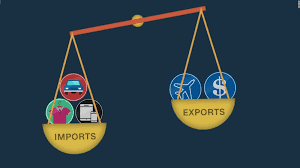
        A trade deficit occurs when the imports of a country are greater than its exports. Trade deficits have very serious effect upon the economy of a nation. If not managed properly, an ever increasing and persistent trade deficit can permanently sabotage an economy. This is more so if the economy is primarily flourishing upon inequality of income, corruption and lack of transparency and accountability, as is the case of India.

        Corruption negatively impacts a trade deficit by increasing import costs, creating market distortions, and facilitating tax evasion and smuggling, which can worsen trade imbalance. Conversely, a country’s level of corruption also impacts its international trade by making trade flows more difficult and inefficient, especially in economies with inefficient customs or complex trade restrictions that create opportunities for bribery and “grease the wheels” of corrupt officials.

        How corruption contributes to a trade deficit:

        (a) Increased import costs: Bribes and other illicit payments to customs officials and bureaucrats raise the cost of imported goods, making them more expensive and potentially increasing the overall value of imports, which widens a trade deficit.

        (b) Market distortion and inefficiency: Corruption leads to inefficient allocation of resources and distorted competition, as decisions are based on illicit payments rather than market efficiency. This can hinder the development of competitive domestic industries that could reduce import reliance.

        (c) Smuggling and tax evasion: Corruption facilitates smuggling, which can reduce official trade statistics and contribute to a larger underground economy. It also allows for tax evasion, leading to lost government revenue and potential impacts on the national economy.

        (d) Reduced trade: Corruption creates unpredictability and non-tariff barriers, making international trade more complex and costly, which can discourage both imports and exports, depending on the nature of the corruption and the economic environment.

        (e) Impact on economic growth: By increasing business costs and hindering fair competition, corruption can negatively affect overall economic growth and productivity, which indirectly influences the ability of a country to export and compete internationally.

        (f) “Grease the wheels” effect: In some cases, particularly in low- and middle-income countries with highly inefficient systems, corruption (like bribes) may facilitate trade by speeding up bureaucratic processes, though this is generally a sign of a broken system rather than a positive outcome.

        (g) Impact of trade liberalization: Studies suggest that trade liberalisation, while beneficial for economic growth, can sometimes lead to increased opportunities for corruption if not accompanied by strong governance and regulatory reforms.

        It is clear that corruption has very severe effect upon not only trade deficit but upon the overall economy of a nation.

        Posted in Global ODR News | Comments Off on The Corruption Aspects Of Trade Deficit And Their Dangers

        Ethanol Induced Engines Damages Have Become A Major Nuisance In India

        Ethanol-blended fuels can cause damage to vehicles not specifically designed to handle them, particularly older models. The increased ethanol content can degrade fuel system components like fuel lines, rubber seals, and gaskets, leading to leaks and potential engine problems.

        Ethanol is more corrosive than gasoline and can corrode metal fuel tanks and lines, especially in older vehicles. It can degrade rubber and plastic components in the fuel system, causing swelling, cracking, or brittleness, leading to leaks and other issues. This can result in clogged fuel injectors, fuel leaks, and other fuel system malfunctions. Some users have even reported decreased fuel efficiency and sluggish performance with E20 fuel in older vehicles.

        Vehicles not designed for higher ethanol blends (like E20) may experience these issues, while newer vehicles would be designed to handle it. Some insurers have raised concerns about potential damage and may deny coverage for issues related to E20 fuel in incompatible vehicles.

        There are concerns about the long-term impact on the longevity of older engines, with some users reporting more frequent repairs. In some cases, older vehicles have experienced fuel pump and injector wear due to contaminated fuel. Be aware of the ethanol content at the fuel pump, as some stations may not clearly label the blend. Older vehicles may require more frequent maintenance or component replacement to mitigate potential damage from ethanol-blended fuels.

        Let us discuss these issues in more details. Here’s how ethanol can potentially damage your vehicle:

        (a) Material degradation Corrosion: Ethanol is corrosive, and its hygroscopic nature (ability to absorb water) can exacerbate this problem, leading to rust and corrosion in metal parts of the fuel system, including the fuel tank and fuel lines.

        (b) Rubber and Plastic: Ethanol can degrade rubber and plastic components like fuel lines, hoses, seals, and gaskets not compatible with higher ethanol blends. This can cause shrinkage, swelling, hardening, or cracking, potentially leading to leaks, loss of pressure, and inconsistent fuel delivery.

        (c) Fuel system issues Clogging: Ethanol’s solvent properties can strip away deposits in the fuel tank, potentially clogging fuel filters and injectors and leading to poor performance and increased maintenance needs.

        (d) Phase Separation: When ethanol-blended fuel absorbs enough water, it can lead to phase separation, where the water and ethanol separate from the gasoline and settle at the bottom of the fuel tank. This water-ethanol layer can cause engine misfires, stalling, and other problems if it enters the engine.

        (e) Fuel Pump and Injector Wear: Contaminated fuel, phase separation, and the solvent properties of ethanol can contribute to increased wear and tear on the fuel pump and injectors.

        (f) Performance and drivability problems Reduced Mileage: Ethanol has a lower energy density than gasoline, potentially leading to a decrease in fuel efficiency, especially in vehicles not optimized for higher ethanol content.

        (g) Rough Idling, Cold Start Problems, and Sluggish Acceleration: Incompatible engines may experience rough idling, difficulty with cold starts (especially in carbureted engines and cooler climates), and sluggish acceleration.

        (h) Engine Knocking: Leaner air-fuel mixtures in incompatible engines can lead to increased engine temperatures and potential knocking if the ignition timing isn’t adjusted.

        If concerned about ethanol damage, try to find fuel stations that offer ethanol-free gasoline or use premium fuels like XP95 or XP100 which may have lower ethanol content.

          While these are potential concerns, the extent of the damage can vary depending on factors like the vehicle’s age, design, and the ethanol concentration in the fuel. Newer vehicles designed for higher ethanol blends may experience fewer problems compared to older models.

          But for the time being, using Ethanol-blended fuels in India is a big no and is more trouble than solution says Praveen Dalal.

          Posted in Global ODR News | Comments Off on Ethanol Induced Engines Damages Have Become A Major Nuisance In India

          Dangers And Fallout Of Trade Deficit Upon An Economy

          A trade deficit, where a country imports more goods and services than it exports, can pose several economic dangers. These include potential job losses in domestic industries, increased national debt due to borrowing to finance the deficit, and potential currency instability. Furthermore, persistent trade deficits can lead to foreign ownership of domestic assets and create economic vulnerabilities.

          Here’s a more detailed breakdown of the dangers:

          (a) Job Losses and Economic Slowdown: A trade deficit can lead to job losses in domestic industries that face increased competition from cheaper imports. This can result in a decline in overall economic growth as domestic production and employment decrease. Some economists argue that trade deficits can facilitate the “economic colonisation” of a country, where foreign entities acquire domestic assets and businesses.

          (b) National Debt and Reliance on Foreign Capital: To finance a trade deficit, a country often needs to borrow money from other countries or sell assets. This can lead to a buildup of national debt and increased dependence on foreign capital. A country’s financial stability can be at risk if foreign investors lose confidence and withdraw their investments.

          (c) Currency Instability and Inflation: Persistent trade deficits can put downward pressure on a country’s currency, making imports more expensive and potentially leading to inflation. Fixed exchange rates can exacerbate these issues, as devaluation of the currency is not possible.

          (d) Reduced Economic Sovereignty: Foreign ownership of domestic assets, particularly in strategic industries, can reduce a country’s economic sovereignty and control over its own economy. This can create vulnerabilities if global trade disruptions occur or if foreign investors exert undue influence.

          (e) Potential for Economic Instability: The twin deficits hypothesis suggests a link between trade deficits and budget deficits, potentially leading to further economic instability. A country with a large trade deficit may be more susceptible to economic shocks and crises.

          (f) Reduced Domestic Investment: A trade deficit can lead to reduced domestic investment as capital flows out of the country to finance the deficit. This can hinder long-term economic growth and development.

          (g) Potential for Trade Wars: Large and persistent trade deficits can create tensions between countries and potentially lead to trade wars, harming global trade and economic growth.

          In conclusion, a trade deficit can lead to job losses in certain sectors and may indicate an imbalance between a country’s savings and investments. Additionally, large deficits can negatively impact the economy by increasing reliance on foreign capital and potentially weakening the domestic currency.

          An inflow of foreign capital, invested unwisely or reversed too quickly, can lead to financial problems and, potentially, recession. Taxes on imports could be levied. The heavy flow of foreign capital may result in foreign investors buying up too many important assets of the deficit-running country.

          It must be kept in mind that while trade deficits can have some potential benefits, such as access to cheaper goods and services, it’s crucial to manage them effectively to avoid the significant economic dangers they can pose.

          Posted in Global ODR News | Comments Off on Dangers And Fallout Of Trade Deficit Upon An Economy

          Modi Is Again Using Jumlabaazi Of Swadeshi And Made In India

          Modi is infamous for his lies, deception and jumlabaazi. Whether it is Digital India or Swadeshi, Atmanirbhar Bharat and Made In India jumlas, Modi has many jumlas in his bag. He frequently uses these lies and jumlas to fool Indians. As a result, 100 crore Indians are begging for 5 kg ration in India and India has become a gig economy as on August 2025.

          The latest jumla of Swadeshi has been spewed after Modi’s failure to have a trade agreement with Trump. As a result, Trump imposed 25% tariff upon India and stock market of India has collapsed completely. This is not the only failure of Modi. Previously, Trump treated Indians like animals and criminals and deported them into chains in military crafts. Citizens of no other country have been treated like this because their politicians took a manly and leadership stand. But Modi simply surrendered before Trump and now India has to bear the cost.

          So to hide his incapabilities and failures, Modi has once again used the Jumlas of Swadeshi, Atmanirbhar Bharat and Made In India. We all know how Modi and Govt Buddies fooled Indians during Covid-19 Plandemic and Scam. They used same jumlas and that resulted in closure of businesses of many small traders, businesses and MSMEs. At the same time, it filled the coffers of Govt Buddies as all stuff from China landed in Govt Buddies go downs and warehouses. They made billions while Indians were forced to beg for 5 kg ration.

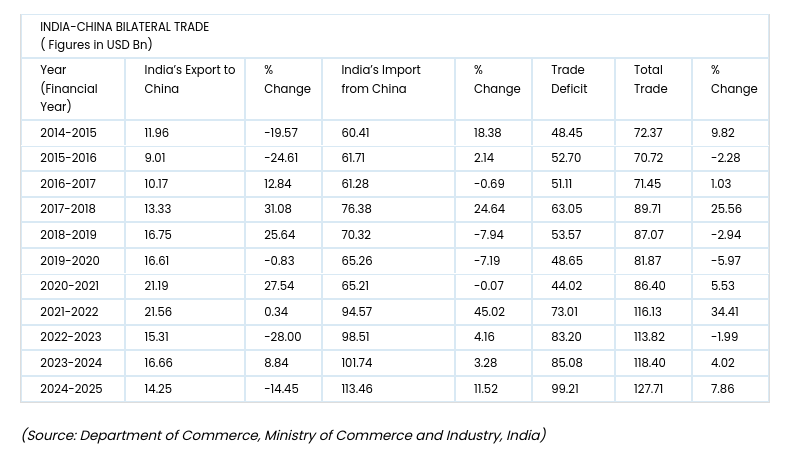
          Now imports from China would increase and exports to U.S. would decrease significantly. Modi has been secretly working for the benefit of Chine since 2014 while discouraging Indians to deal with China in every possible aspect. Modi is again using Swadeshi, Atmanirbhar Bharat and Made In India jumlas, when the entire stuff would come from China. Putting label of India does not make a thing Indian as it has nil contribution for Indians. Govt Buddies make billions out of such arrangements while Indians are forced to kill their businesses under the garb of import controls and import duties.

          Modi has used so much of lies and jumlabaazi that even assembling in India is under threat, forget about Made in India and Make in India. Unemployment in India has become a major nuisance and Trump’s action regarding H-1B visa and outsourcing to IT industry of India have created further problems. Unemployment monster of India has engulfed Indian youth and Modi is busy in his lies, jumlas and distractions.

          Do not be fooled once again by lies and Jumlabaazi of Modi and take Modi and Govt Buddies to task. Otherwise, say goodbye to your trade, businesses and works.

          Posted in Global ODR News | Comments Off on Modi Is Again Using Jumlabaazi Of Swadeshi And Made In India